


How Small Businesses Can Leverage AI for Growth in 2026

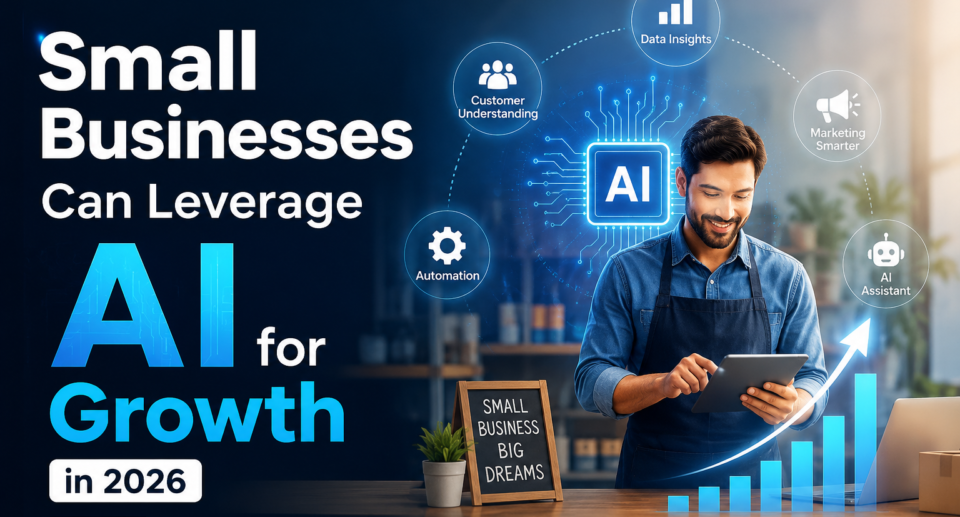
AI is transforming the way businesses operate, and in 2026, it has become even more powerful. Affordable and user-friendly AI tools are now widely accessible to startups and small businesses. Previously, these tools required large budgets and dedicated teams. These tools help smaller businesses compete with larger corporations.
Small businesses often struggle with tight budgets, small teams, and rising competition. AI automates routine tasks, enhances customer interactions, and reduces manual work. Modern technology, chatbots, content tools, and analytics platforms are easy to use. The majority don’t require much technological knowledge.
In 2026, AI is no longer a trend but a business necessity. Businesses that ignore AI may struggle to stay competitive. It helps growing businesses improve efficiency and scale operations more effectively.
Why AI is Essential for Small Business Growth in 2026
Recent studies suggest that businesses using AI can significantly improve productivity. They can also achieve a large reduction in their costs. A LinkedIn report suggests that 2026 will be a pivotal year for intelligent systems adoption among startups. AI adoption among small businesses is expected to continue growing through 2026.
Many startups use AI marketing tools. They help improve efficiency and boost customer engagement. This shows a strong shift towards AI integration. Overall, according to Forbes, investment in AI increased from 36% in 2023 to 57% in 2025. Additionally, around 30% of employees now use AI daily.
Top AI Use Cases for Small Businesses in 2026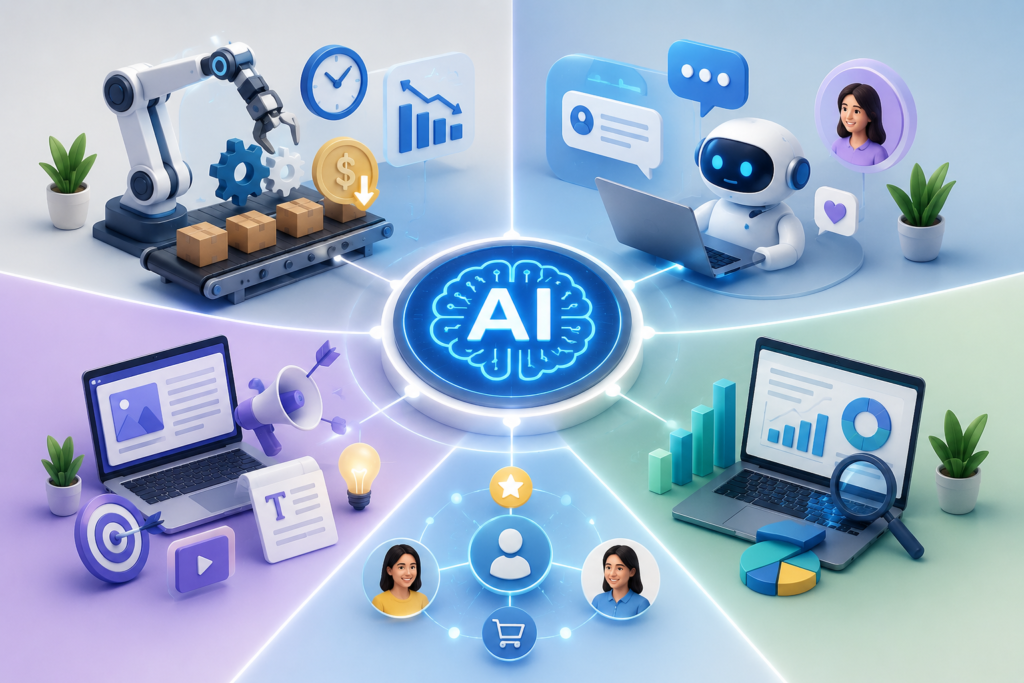
Here are several practical ways small businesses can use AI effectively in 2026:
1. Automate Repetitive Tasks and Reduce Costs
AI handles repetitive tasks like scheduling, data entry, customer support, and inventory tracking. AI can reduce errors, save time, and lower operational costs. It also streamlines workflows, invoice processing, and supply chain management.
Automating routine tasks helps smaller organizations use their resources more efficiently. This allows them to focus on key areas such as customer relationships and service improvement.
2. Transform Customer Service with AI Chatbots
AI chatbots and virtual assistants help businesses by:
- Answering questions instantly
- Booking appointments automatically
- Capturing and qualifying leads
- Recommending services or products
AI chatbots allow businesses to respond instantly, even outside working hours.
Many e-commerce businesses report a reduction in support requests after implementing AI chatbots. This change boosts customer satisfaction and encourages repeat business. These chatbots are available 24/7. They quickly resolve common issues, letting your team focus on more important interactions.
3. Optimize Marketing and Content Creation
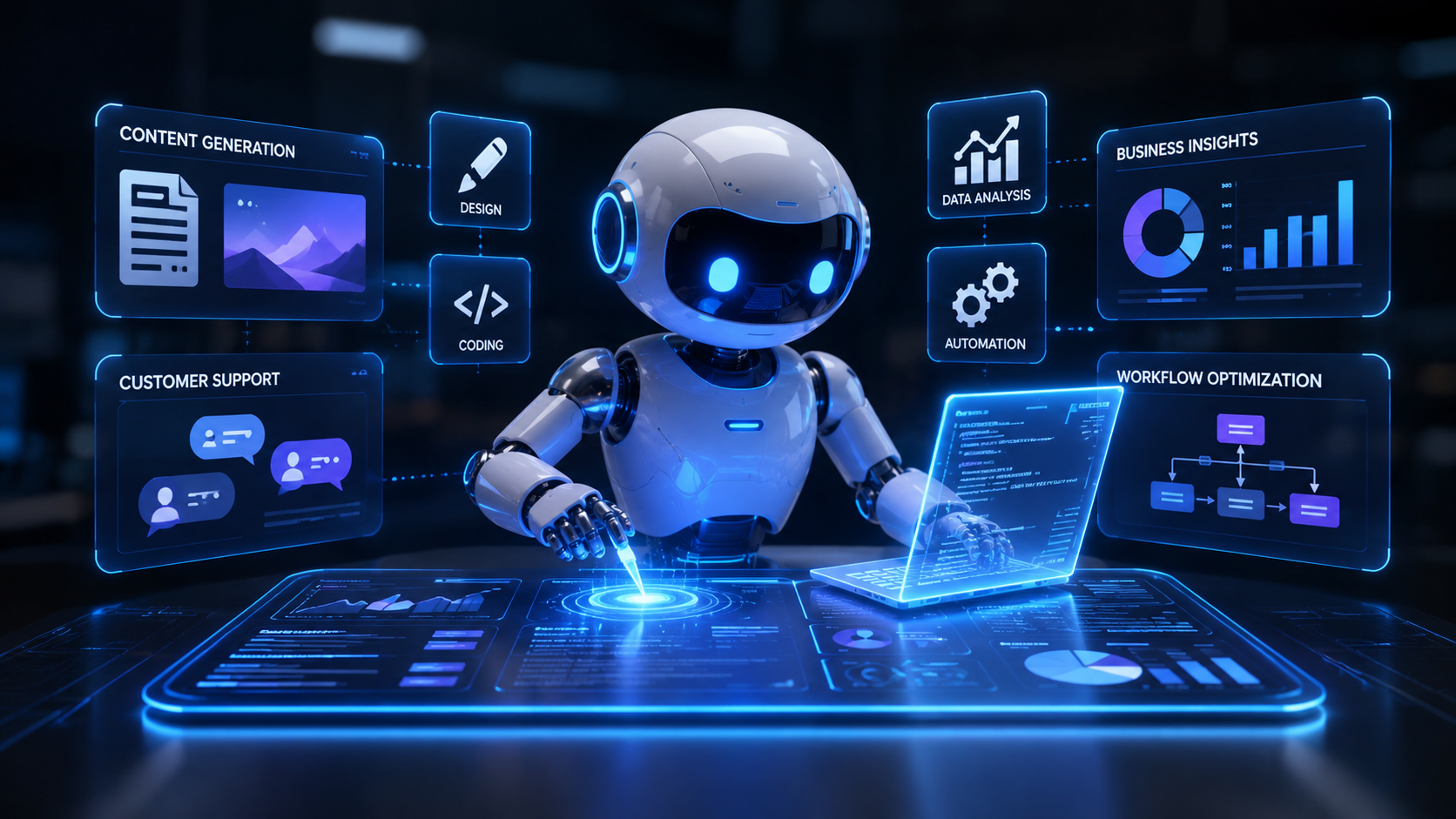
Businesses can use AI to quickly create personalized emails, social media posts, and ad copy. For example, a small e-commerce store can use AI to create personalized product recommendations. It can also optimize email campaigns based on what customers have bought before. It also targets audiences better, which boosts ROI on tight marketing budgets. Small businesses are increasingly adopting AI across various business functions. Organizations commonly use AI for trend analysis, content generation, and visual design.
Businesses are now using AI beyond basic automation tasks. They are putting AI at the core of their marketing efforts. AI tools can now analyze customer behavior, create high-quality content, and improve marketing campaigns. This ability used to be for companies with big marketing teams and high software budgets.
4. Make Data-Driven Decisions
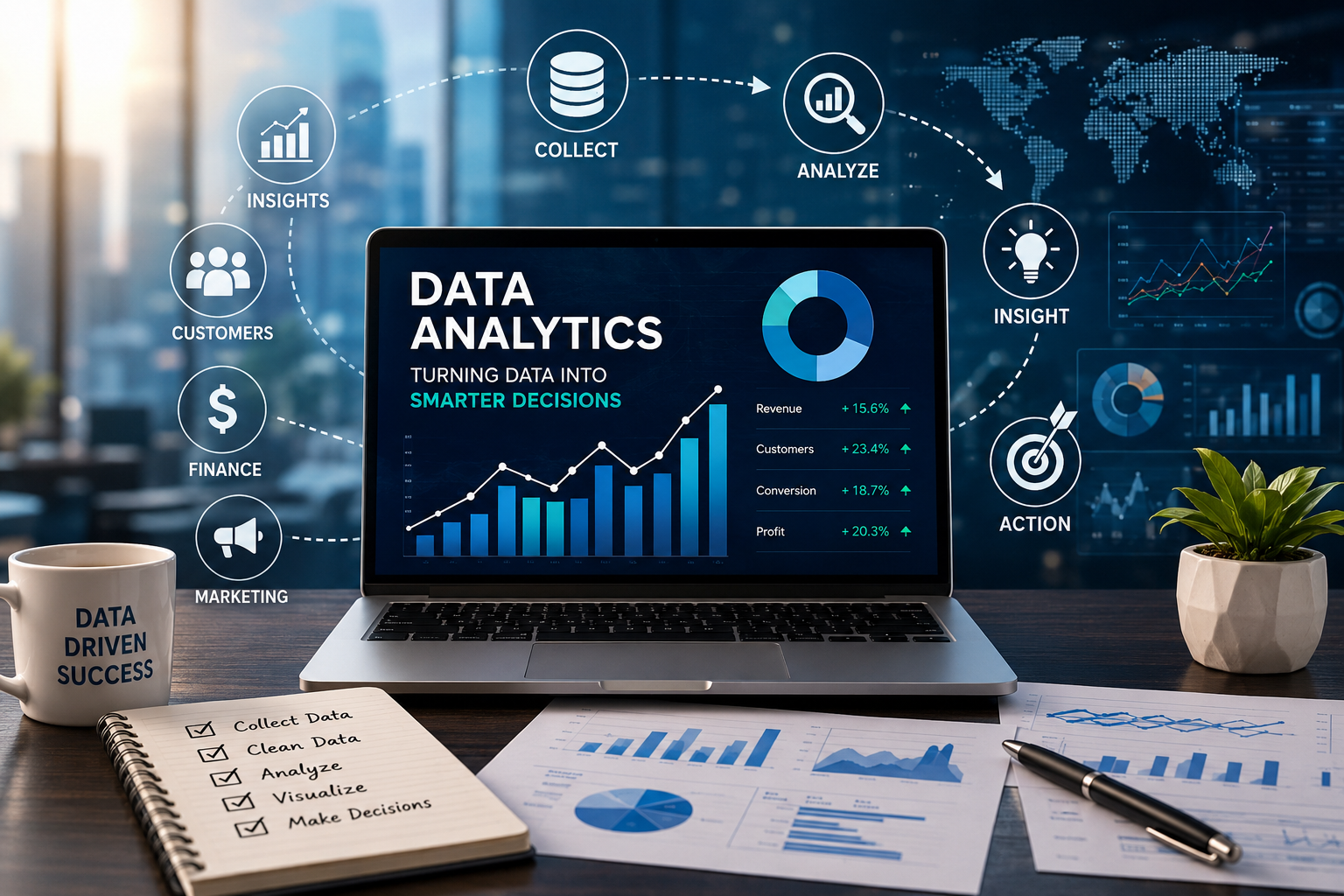
Small businesses face data overload. AI finds trends, shows performance problems, predicts revenue patterns, and suggests improvements. Instead of relying on guesswork, business owners can make informed decisions.
AI analyzes customer behavior to improve sales and marketing performance. It also personalizes email campaigns, optimizes ad performance, and boosts conversion rates. Tools examine sales data, study customer behavior, and identify market trends. They help forecast demand, optimize pricing, and reduce risk. AI-powered analytics help growing companies make informed and effective decisions.
5. Personalize Customer Experiences at Scale
AI enables businesses to generate more specific marketing campaigns. It provides custom product suggestions. It also changes website content, sends smart follow-up messages, and offers special deals. Personalized experiences help increase repeat purchases and customer retention.
AI insights help boost conversions. They do this by optimizing page layouts, calls-to-action, content placement, and user journeys. AI-powered website design tools examine performance metrics and user behavior. They enhance the user experience and boost conversions.
How to Start Using AI in Your Business
It’s not essential to do every task at the same time. The key is strategic implementation rather than overwhelming your operations. Start with:
- AI chatbots for lead capture – Implement 24/7 customer support and lead qualification
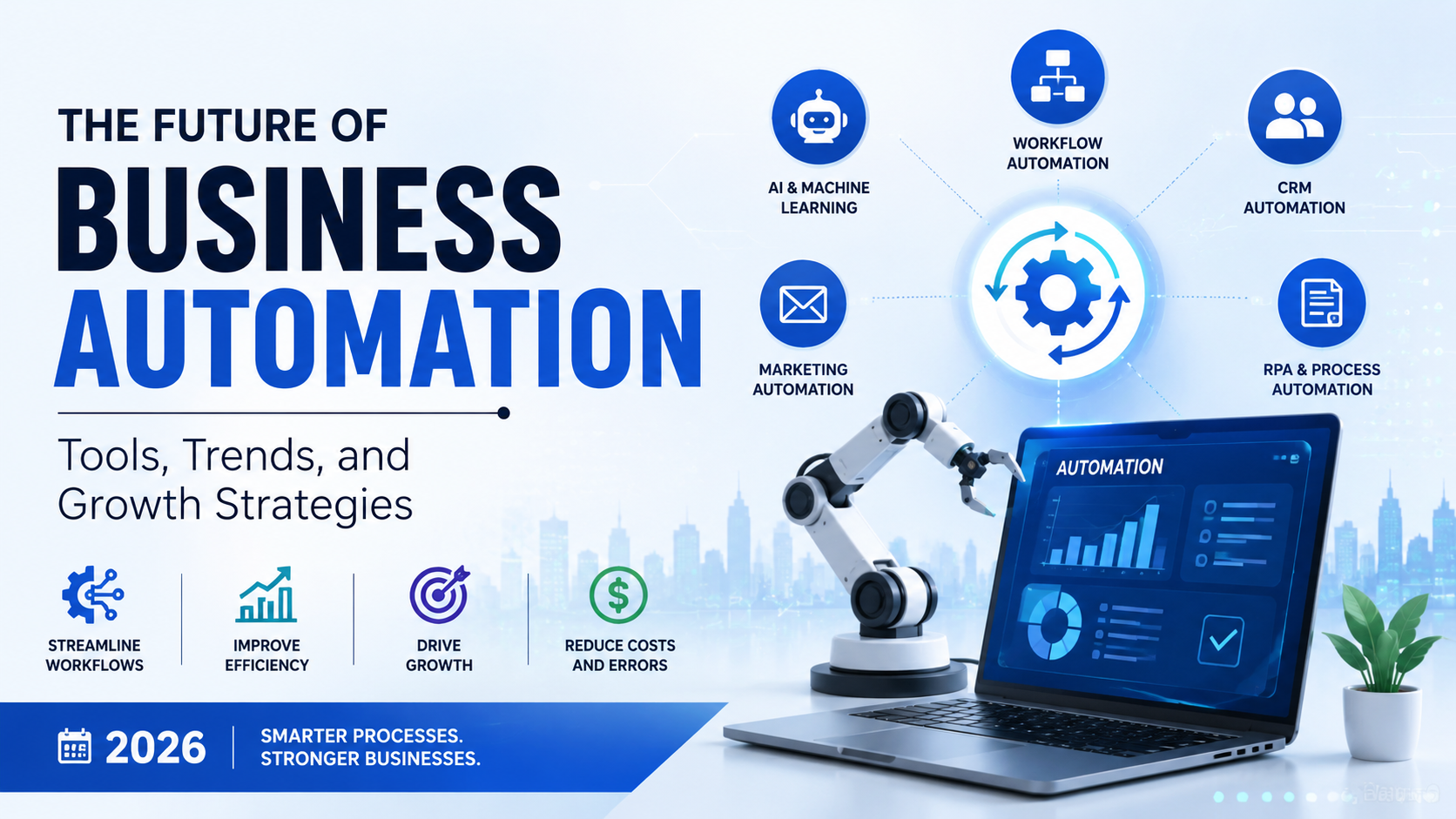
- Marketing automation tools – Generate content, optimize campaigns, and analyze performance
- Workflow automation tools – Automate scheduling, data entry, and follow-up processes.
- Performance analytics dashboards – Gain real-time insights into business metrics
Developing AI-related skills is becoming vital for small and medium-sized businesses.
AI literacy is becoming an essential skill for business growth and innovation. To succeed in 2026, SMBs should focus on training their teams. AI can also help them adopt new technology and increase productivity. They must also focus on building trust and strengthening relationships. Many small businesses start with AI chatbots because they are affordable and easy to implement.
To successfully implement AI, experts recommend the following steps:
- Assess current operations for AI opportunities
- Select and implement the right tools
- Train teams for seamless adoption
- Measure impact and iterate for continuous improvement
The Competitive Advantage of AI in 2026
AI in 2026 won’t replace people. Instead, it will enable organizations to work smarter. For small businesses, AI brings many benefits. It enables faster growth and lowers costs. AI also enhances customer engagement and supports smarter decisions. This leads to stronger competitive positioning.
Small businesses can now enjoy the same benefits as big corporations. They get advanced analytics, automated customer support, smart marketing tools, and predictive insights. AI levels the playing field. It gives access to advanced tools at a lower cost. It supports businesses in making smart, data-driven choices. For example, a small online store can now access AI-powered analytics and marketing tools. These tools were once only for large companies. A stronger focus on customer needs can contribute to long-term business growth. It also helps companies scale easily. They can meet higher demand without extra costs.
Conclusion
In 2026, artificial intelligence is driving growth for small businesses. It’s not just a nice-to-have; it’s essential. Today, AI benefits companies of all sizes, not just large corporations. Small and medium-sized businesses can also use affordable intelligent platforms. These tools help improve efficiency, cut costs, and boost competition. AI is changing how businesses operate. It automates repetitive tasks, boosts customer service, and improves marketing strategies.
AI’s real strength is turning data into useful insights. This helps business owners make faster and more informed decisions. Businesses can now personalize customer experiences more efficiently than ever before. In the past, this was difficult without large teams and budgets. However, organizational success depends on the strategic adoption and implementation of AI. Small businesses that use AI early will increase productivity and gain a strong advantage in the digital market.
FAQs About How Small Businesses Can Leverage AI for Growth in 2026
Is AI too expensive for small businesses to implement in 2026?
No, AI is now affordable for small businesses. Many small businesses are adopting AI to reduce costs and save time. Some AI tools have monthly subscriptions starting at $10 to $50. This makes them affordable for startups.
What AI tools should small businesses start with first?
Small businesses should focus on a few key tools AI Chatbots offer 24/7 customer support. Marketing Automation Tools use for creating content. Workflow Automation helps with scheduling and data entry. Start with one or two tools that address your biggest pain points, then expand gradually.
How long does it take to implement AI in a small business?
Basic AI tools, like chatbots, need 1–3 days to set up. Marketing automation takes 1–2 weeks. More advanced workflow automation systems can take weeks to set up. It depends on their complexity. Businesses should start small and focus on tools that solve real problems. This is better than managing complex operations.
Do small business employees need technical skills to use AI?
Not really. Most AI tools are easy to use. Now, “Vibe Coding” lets non-tech users build software by simply stating what they want. AI literacy training is key. It helps teams use AI well while also boosting their critical thinking skills.