

AI in Business Leadership: The Hidden Shift in How Executives Make Decisions in 2026

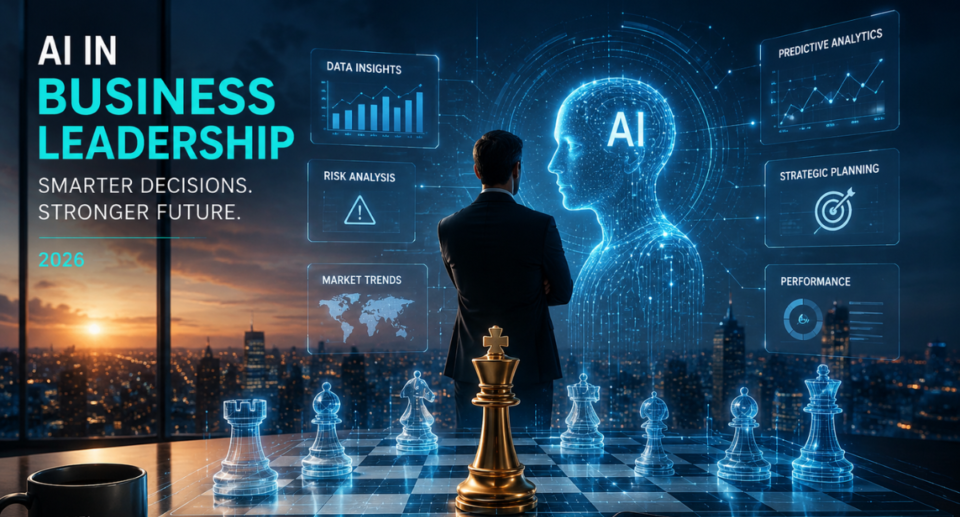
Business leadership in 2026 can no longer rely solely on experience and instinct. AI is shaping executive decisions, helping companies predict risks, analyze markets, and respond quickly to change. Instead of replacing human analysis, AI is improving it. Modern leaders use AI insights to test ideas, evaluate options, and make faster decisions in complex markets. This shift alters how today’s leaders plan, judge risk, and respond to fast market changes.
This article explores how AI is transforming executive decision-making. We’ll discuss the tasks executives intend to automate with AI, the tools companies are purchasing, and how hybrid AI-human decision-making is going to grow in 2026.
Shifting to AI-Powered Business Leadership
Until recently, leadership meant leaning on years of experience and a trusted gut. That paradigm is still relevant in 2026, but it is no longer independent. AI-augmented thinking is the new standard for leadership. Executives combine their judgment with machine intelligence. This allows them to make faster and more accurate decisions. As a result, AI now influences how leaders think, prioritize, and act.
This shift isn’t technological; it’s cultural. CEOs now frequently consult real-time models and probability-driven scenarios before relying on instinct. The difference is subtle but fundamental—leaders aren’t outsourcing authority to machines. They’ve brought AI into their thinking. It acts as a co-thinker. It highlights blind spots, tests assumptions, and suggests new strategies. Most articles describe AI as a productivity booster. In 2026, AI will help leaders question their assumptions, explore options, and make more effective decisions.
From Gut Feeling to AI-Powered Judgment
Intuition matters, but markets change so fast that it’s not enough on its own. Real-time data, shifts in consumer habits, and supply-chain problems can quickly render yesterday’s insights irrelevant. Human biases such as confirmation bias, recency bias, and overconfidence only compound the problem. AI reduces emotional error by providing an objective, probabilistic foundation for judgment. Consider demand planning.
Before AI forecasting was common, executives made production decisions based on:
- Historical experience
- Market observations
- Professional judgment
AI models factor in sales data, social signals, weather info, and macro indicators. They can generate highly accurate demand forecasts across many product categories. The change reduces inventory costs, prevents stockouts, and aligns marketing spend with actual opportunities. The goal isn’t to erase intuition. Instead, it’s to make it smarter. We want it backed by evidence and tested through scenario analysis.
Why Companies Are Investing in AI Leadership Tools
Companies are investing in AI executive tools and business intelligence AI. The ROI is clear and strategic. Key drivers include:
Faster Strategic Decisions: AI systems deliver faster, evidence-based choices by showing options and probabilities. This cuts down on decision time and uncertainty.
Scalable Expertise: Predictive analytics allows a small executive team to optimize decisions across many business areas.
Better Risk Management: Real-time risk scoring and scenario simulations reduce exposure to supply, market, and credit shocks.
Competitive Advantage: AI-driven analytics enable dynamic pricing, targeted retention, and improved resource utilization.
Organizations use a mix of tools. Examples include dashboards like Power BI and Tableau. Predictive engines such as Azure ML and AWS SageMaker (Microsoft Azure and AWS, respectively) play a role. Other options include decision platforms such as Salesforce Einstein. According to Microsoft Azure AI, many organizations use AI systems to create an AI leadership stack. This stack supports their strategy and execution. Investing in AI business leadership tools is a must for companies that intend to stay competitive. According to Salesforce Einstein AI
The AI Decision Stack Used by Modern Leaders
Modern leaders typically use a structured AI decision-making stack. This helps them with proactive planning and implementation. This three-layer framework illustrates how AI contributes to different stages of decision-making.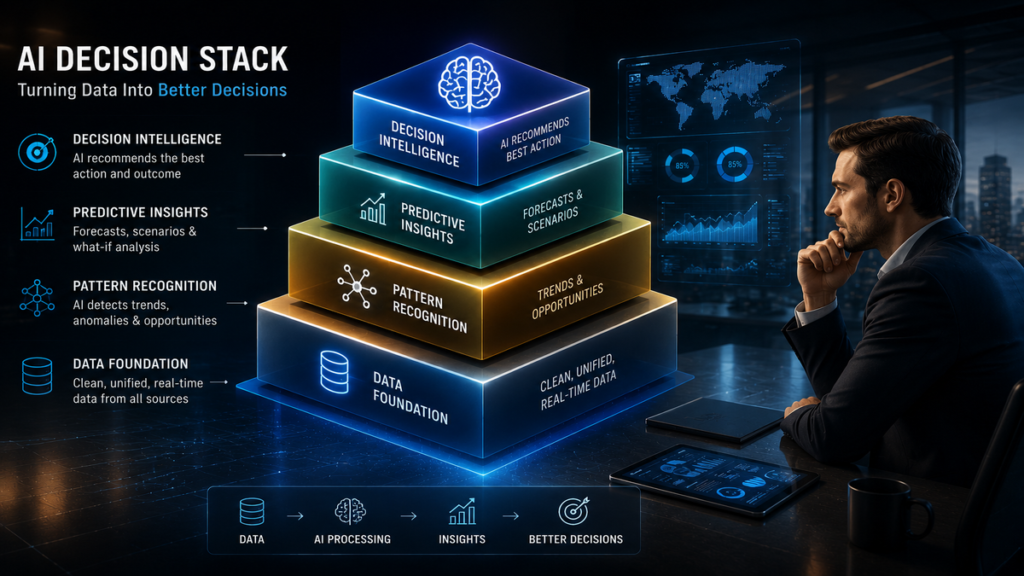
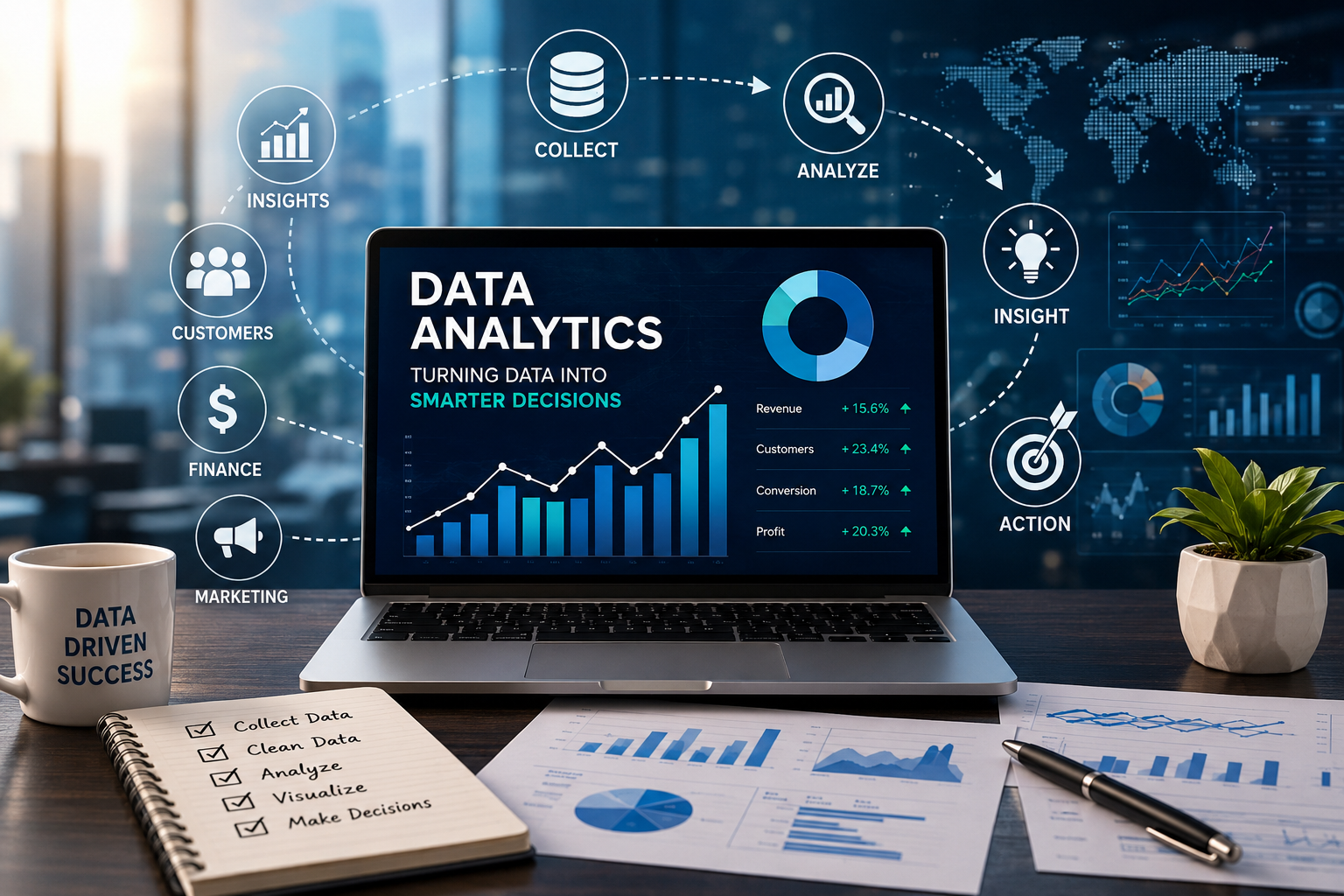
Layer 1: Data Intelligence: Dashboards, analytics, and predictive models. This is the sensing layer. Here, leaders can track KPIs, spot anomalies, and get trend forecasts. This layer turns noise into signals.
Layer 2: Decision Automation: Systems that recommend actions, not insights. These tools can suggest pricing adjustments, reallocate budgets, or prioritize leads. Automation at this layer reduces execution lag and enforces consistency.
Layer 3: Strategy Simulation: Advanced scenarios and what-if testing. AI models respond to competitive and industry changes. Leaders can stress-test strategies with multiple factors before committing resources.
This layered approach helps executives link data, automation, and strategy. It gives a clear way to make decisions. It reflects how effective leaders gather insights, make decisions, and test outcomes. Many resources address analytics and automation as distinct topics. However, the layered view shows how they work together in a clear decision process.
Also, read the article: What Is X App? A Complete Guide to Its Features and Future in 2026
Leadership Tasks AI Can Automate
These business leadership responsibilities are where AI is having a big impact:
- Budget planning: AI models look at past spending, business trends, and forecasts. They suggest the most effective budget allocations for different units.
- Candidate screening: AI ranks applicants using performance indicators and predictive hiring analytics.
- This method cuts down the time to hire and improves the quality of the shortlist.
- Market entry prediction: Models assess demand elasticity, competitor strength, regulatory risks, and market entry costs. They indicate the best times and places for development.
- Risk Assessment: Real-time scoring of suppliers, customers, and projects to improve decision quality. This helps leaders focus their attention and use capital to maximize efficiency.
- Customer retention strategy: AI detects churn signals, creates personalized offers, and schedules outreach for optimal times. This boosts retention ROI.
AI tools support daily executive decisions across various business areas. With some effort, leaders can fold AI into their day-to-day decision-making. Many executives no longer start strategic meetings with assumptions alone. Instead, they begin with AI-generated forecasts, scenario models, and real-time business intelligence dashboards.
How Major Companies Use AI in Leadership
Microsoft uses Azure AI and Power BI. They give executives real-time data. They also offer predictive sales models and tools for planning cloud investments.
Amazon uses AWS SageMaker and proprietary decision-automation systems for:
- Inventory forecasting
- Dynamic pricing
- Quick market-entry analysis
Netflix uses AI to recommend shows and movies. It also tests different options through A/B testing to refine its content strategy. These experiments help decide which shows and movies to get and keep.
JPMorgan Chase utilizes AI for critical tasks like risk scoring, trading simulations, and credit decisions. These models help guide strategic capital allocation.
Salesforce provides Einstein AI. It suggests digital marketing strategies, forecasts the pipeline, and highlights key account actions. Leaders use this to guide their go-to-market strategies.
These firms show AI as a collaborator. Leaders don’t give up their judgment. Instead, they use AI outputs to refine and inform strategic decisions.
The Hidden Risk: Leaders Who Over-Trust AI
AI hallucinations, confident but incorrect outputs, can mislead decisions. Biased training data can embed historical inequities into sales and strategy decisions. Blind trust in automation risks dulling human judgment and eroding creativity.
Leaders must understand AI’s limits. This includes checking model results, using varied data, and ensuring human oversight when the stakes are high.
Practical safeguards include the following:
- Rede-teaming of models
- Regularly auditing data sources
- Escalation protocols for major decisions
Additionally, organizations that combine AI with good governance will succeed in the long run. A few years ago, most executive meetings started with spreadsheets and assumptions. In 2026, many companies will begin with AI forecasts and real-time analytics dashboards.
AI vs. Human Leadership: The New Hybrid Model
The future isn’t AI versus humans; it’s hybrid leadership. AI brings speed, scale, and statistical accuracy. Humans bring ethics, creativity, and contextual judgment. Winning leaders create workflows in which machines manage pattern recognition and routine tasks. Meanwhile, humans focus on mission, culture, and ethical decisions.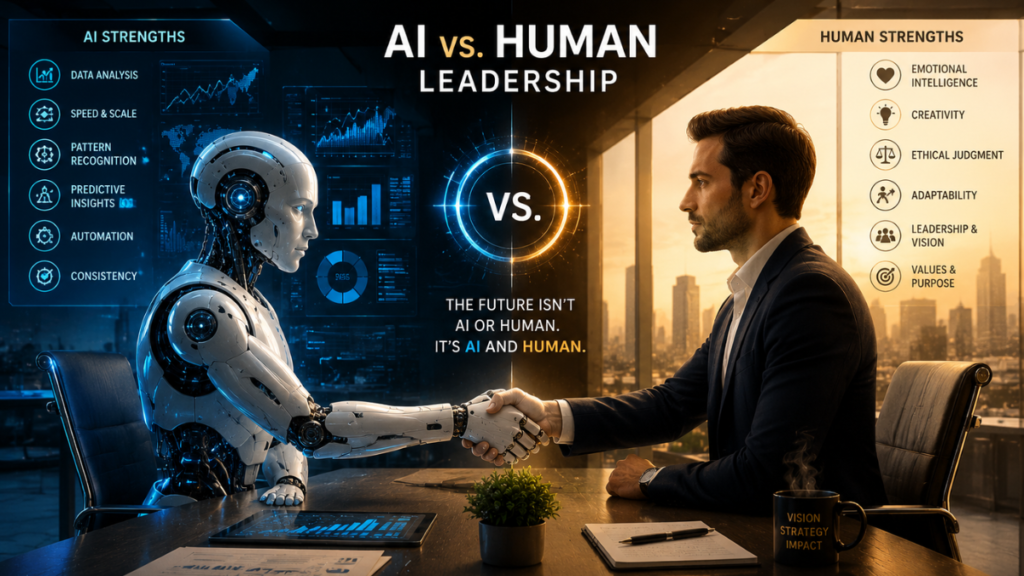
A useful principle is “human-in-the-loop leadership.” People confirm exceptions, interpret ambiguous signals, and make trade-offs that require value judgments. This hybrid model keeps what makes us human: empathy, storytelling, and long-term vision. It also gains the efficiency of AI. Leaders check AI recommendations through ethical and strategic lenses before making final decisions.
How Leadership Will Evolve in 2026
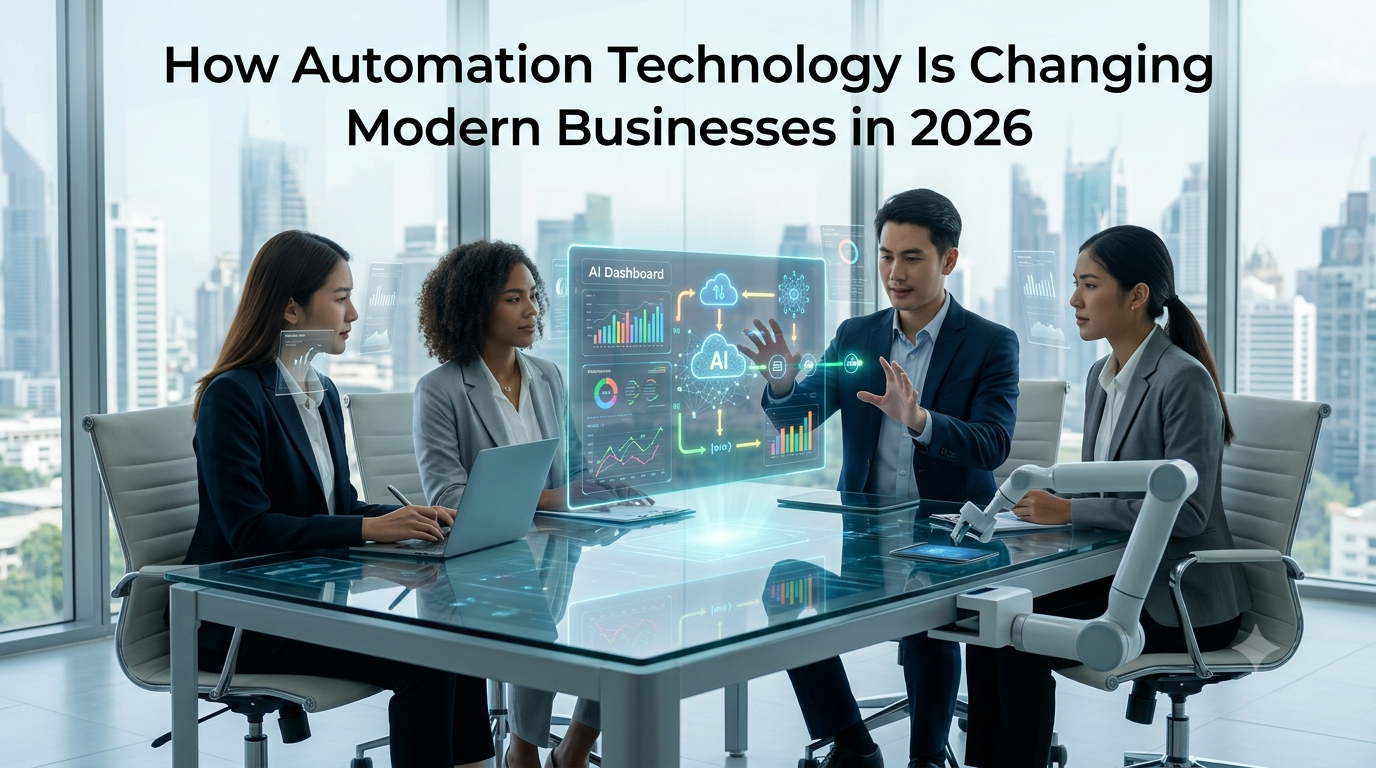
Business leadership in 2026 will see AI as a key advisor. They will include AI insights in their planning. They will also train teams to think with AI in mind. Eventually, they will move from managing tasks to coordinating AI-human workflows.
They’ll create an AI-first decision culture. They will focus on model validation, governance, and ethical safeguards. They will also interpret probabilistic recommendations. In this way, human judgment will guide values and long-term vision.
Conclusion: Leadership in the AI Era
AI isn’t replacing leaders. It upgrades them. The best leaders in 2026 will use AI in decision-making. They will also maintain human oversight and strategic judgment. This way, they can make better and stronger decisions. Moreover, they must also check for automation’s blind spots.
In conclusion, they should focus on preserving human strengths when it counts. Businesses that combine effective human leadership with AI insights will probably make better, quicker decisions in the future. This hybrid model blends speed and scale with ethics and imagination. Embrace AI as a partner, not a replacement, and you’ll lead with a clearer, faster, and more resilient mind.
FAQs about AI in Business Leadership
What does “AI as a co-thinker” mean?
AI as a co-thinker helps leaders. They use AI insights to challenge their assumptions, test strategies, and improve decision-making. They don’t see AI as the final authority.
Can executives rely entirely on AI for strategic decisions?
No. AI boosts forecasting and analysis. However, human leaders bring ethics, creativity, emotional intelligence, and a long-term vision.
What Business Leadership Tasks Can AI Automate in 2026?
AI helps with demand forecasting, budget planning, and customer retention. It also helps with hiring employees and supports hiring decisions and risk assessment.
How can companies reduce AI-related risks?
Organizations mitigate AI risks by implementing human oversight, testing models, auditing data, and establishing clear governance policies for critical decisions.
What skills should modern leaders develop for the AI era?
Modern leaders need to foster data literacy and skills for AI-driven decision-making. They should also enhance strategic thinking and manage AI-human workflows effectively.